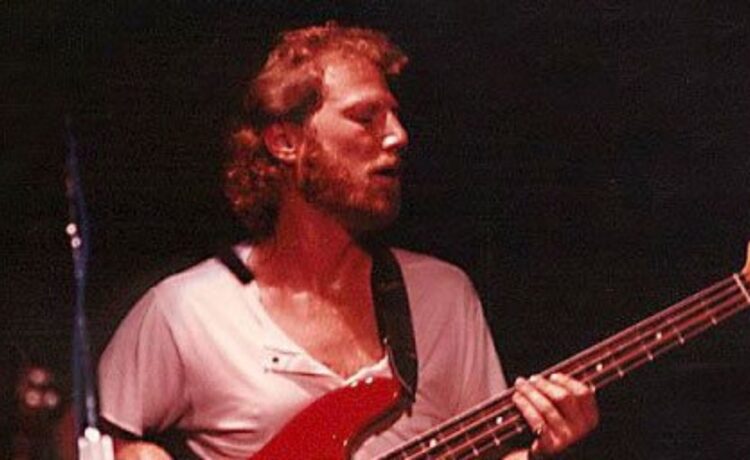
Few bass lines in the history of funk are as instantly recognizable and influential as Francis Rocco Prestia’s work on “What Is Hip?”, a track by the legendary band Tower of Power from their 1973 album Tower of Power. This song is a quintessential example of Prestia’s innovative style, which fused rhythmic precision with melodic groove. Known for his unique “fingerstyle funk” and tight, staccato playing, Prestia created a bass line in “What Is Hip?” that has become a benchmark for bassists in the funk genre. His ability to blend complex rhythms with a deep, infectious groove is what gives this track its enduring power.
The Role of the Bass in “What Is Hip?”
In funk music, the bass often plays a central role, providing both rhythmic and melodic foundations. Prestia’s bass line in “What Is Hip?” is no exception—it serves as the backbone of the song’s infectious groove while also offering intricate rhythmic patterns that complement the syncopated horn section and drums. What sets Prestia’s playing apart, however, is his ability to make complex bass lines sound effortless and tight. He creates a locked-in, driving groove that propels the song forward without ever overpowering the other instruments.
Key Characteristics of the Bass Line
- Fingerstyle Funk and Staccato Playing Prestia’s signature playing style is immediately evident in “What Is Hip?”. Known for his tight, staccato fingerstyle technique, Prestia plucks the strings with a quick, precise attack, creating short, punchy notes. This staccato articulation gives the line a percussive quality, allowing the bass to act almost like a rhythm instrument, emphasizing the syncopated groove of the song.
This style of playing also allows Prestia to leave space between the notes, which is critical in funk music. Rather than filling every beat with sound, he leaves room for the drums, horns, and other instruments to breathe, creating a syncopated dance between the various elements of the arrangement. His bass line is tight and efficient, but it still grooves with an undeniable sense of fluidity. - Rhythmic Syncopation and Ghost Notes One of the most notable aspects of Prestia’s playing in “What Is Hip?” is his use of syncopation and ghost notes. The bass line is rhythmically complex, with Prestia often playing on the offbeats and accenting unexpected parts of the measure. This syncopation is a hallmark of funk, and Prestia executes it masterfully, keeping the groove unpredictable and exciting.
His use of ghost notes—muted, percussive notes that add texture and rhythm without producing a defined pitch—further enhances the line’s funkiness. These ghost notes give the bass line a subtle percussive layer, adding depth and complexity to the groove. Prestia’s ability to balance these ghost notes with the main rhythm is key to the dynamic feel of the track. - Melodic Movement and Economy of Notes Prestia was known for playing in the pocket, focusing on the groove rather than flashy, virtuosic lines. In “What Is Hip?”, his bass line is primarily built around the root notes and key chord tones, but he also incorporates slides, passing notes, and chromatic approaches that give the line a sense of melodic movement.
Despite the song’s rhythmic complexity, Prestia never overplays. His playing is highly economical, choosing just the right notes to serve the song. This restraint is part of what makes the bass line so effective—it feels tight, deliberate, and always in service of the groove, rather than showcasing technical fireworks for their own sake. - Interaction with the Rhythm Section A critical aspect of Prestia’s bass line in “What Is Hip?” is how it interacts with David Garibaldi’s intricate drum patterns. Garibaldi’s drumming is filled with syncopated rhythms and accents, and Prestia complements this with his own syncopated bass line. The interplay between the bass and drums creates a groove that is complex yet tightly unified, with each musician responding to the other in real-time.
The horn section, a signature element of Tower of Power’s sound, also plays a prominent role in the song, and Prestia’s bass line weaves in and out of the horn stabs and melodies. His ability to lock in with both the rhythm section and the horns is a testament to his musical sensitivity and understanding of the bigger picture in a funk arrangement.
The Impact of “What Is Hip?”
“What Is Hip?” is not just a showcase of Francis Rocco Prestia’s incredible bass playing—it’s a masterclass in how to create a groove that is both complex and accessible. The song has become a staple for bassists looking to learn the art of funk, and Prestia’s line is often studied for its rhythmic sophistication, syncopation, and use of space.
The track’s influence extends far beyond the world of funk. Bassists in genres ranging from jazz to rock have been inspired by Prestia’s playing, and his approach to rhythm and groove has been emulated by countless musicians. Despite the complexity of the bass line, Prestia’s ability to make it feel effortless and natural is a defining characteristic of his style.
Prestia’s Legacy
Francis Rocco Prestia’s work with Tower of Power, particularly on tracks like “What Is Hip?”, solidified his place as one of the greatest funk bassists of all time. His unique style—combining tight, staccato playing with melodic precision and rhythmic complexity—helped define the sound of Tower of Power and influenced an entire generation of bass players.
Prestia’s legacy is not just about technical skill, though. His playing is a reminder that groove is king in funk music, and that the bass’s primary role is to support and enhance the rhythm and harmony of the song. His work on “What Is Hip?” remains one of the finest examples of how a bassist can elevate a song through tasteful, disciplined, and deeply funky playing.
In conclusion, Prestia’s bass line in “What Is Hip?” is a timeless example of how to craft a groove that is both technically challenging and irresistibly danceable. His ability to blend rhythmic precision with melodic depth has made this track a standard for bassists and a shining example of what makes Tower of Power one of the greatest funk bands in history.