
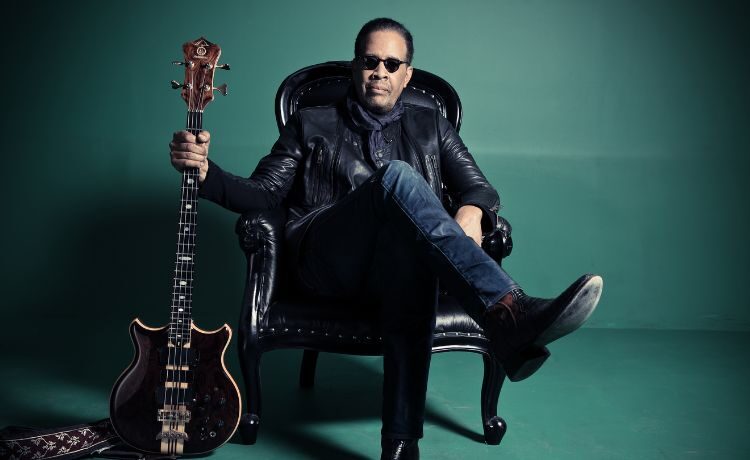
Stanley Clarke, born on June 30, 1951, in Philadelphia, Pennsylvania, is a renowned American bassist and composer, celebrated for his innovative contributions to jazz and fusion music. His career, spanning over five decades, has left an indelible mark on the music industry.
Early Life and Musical Beginnings
Clarke’s musical journey began in his youth, influenced by his mother, who sang opera and participated in a church choir. He initially experimented with instruments like the accordion, violin, and cello before gravitating towards the double bass during his school years. Clarke pursued formal music education at the Settlement Music School in Philadelphia, focusing on classical bass repertoire. He made his professional debut at the age of 15, performing with saxophonist Byard Lancaster at the Showboat jazz club.
Rise to Prominence
In 1971, Clarke moved to New York City, where he collaborated with prominent jazz figures such as Horace Silver, Art Blakey, Dexter Gordon, and Stan Getz. His versatility and skill led to the formation of the jazz fusion group Return to Forever alongside pianist Chick Corea. This ensemble became a pivotal force in the jazz fusion movement, blending elements of rock and electronic music with traditional jazz.
Solo Career and Innovations
Clarke’s solo career further showcased his pioneering spirit. His 1976 album “School Days” is particularly notable, with its title track becoming a bass anthem and exemplifying his innovative techniques. Clarke’s approach elevated the electric bass from a background instrument to a lead voice in jazz and fusion genres.
Collaborations and Genre-Spanning Work
Throughout his career, Clarke has collaborated with a diverse array of artists across various genres. He formed the Clarke/Duke Project with keyboardist George Duke, producing hits that blended jazz, funk, and R&B. Clarke also worked with rock legends like Jeff Beck and Ron Wood, demonstrating his adaptability and broad musical appeal.
Film Scoring and Recent Endeavors
Beyond performance, Clarke has made significant contributions to film and television scoring. His work includes scores for movies such as “Boyz n the Hood” and “Passenger 57,” showcasing his ability to translate musical narratives into cinematic contexts. In recent years, Clarke continues to innovate, collaborating with contemporary artists and exploring new musical landscapes.
Legacy and Recognition
Clarke’s influence extends beyond his recordings and performances. He has been instrumental in music education, mentoring young musicians and advocating for the arts. His accolades include multiple Grammy Awards, and in 2022, he was honored with the National Endowment for the Arts Jazz Masters Fellowship, recognizing his monumental contributions to jazz.